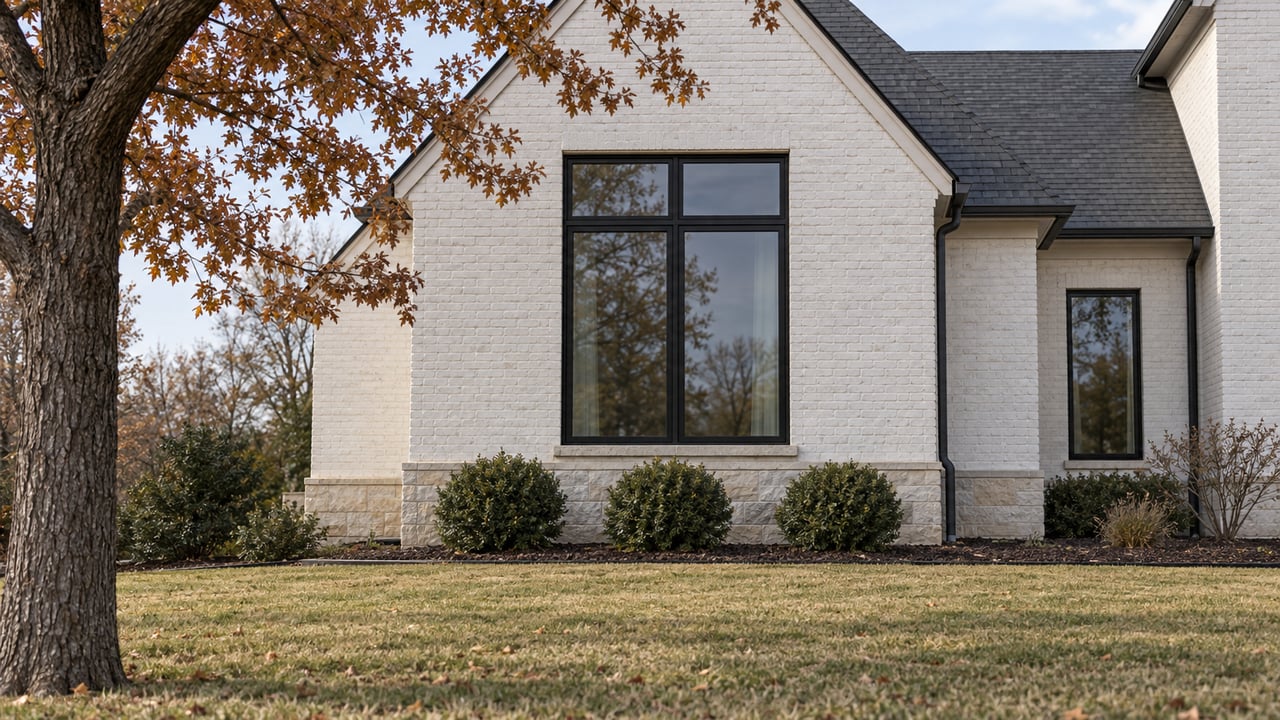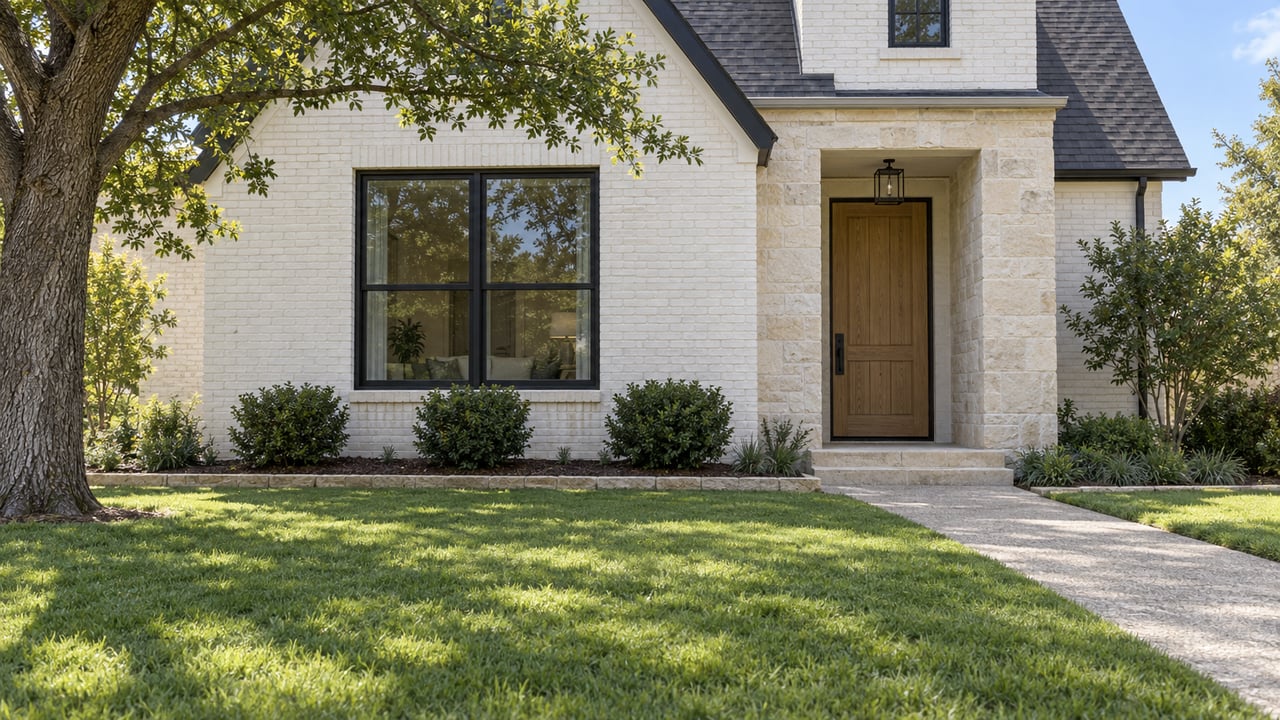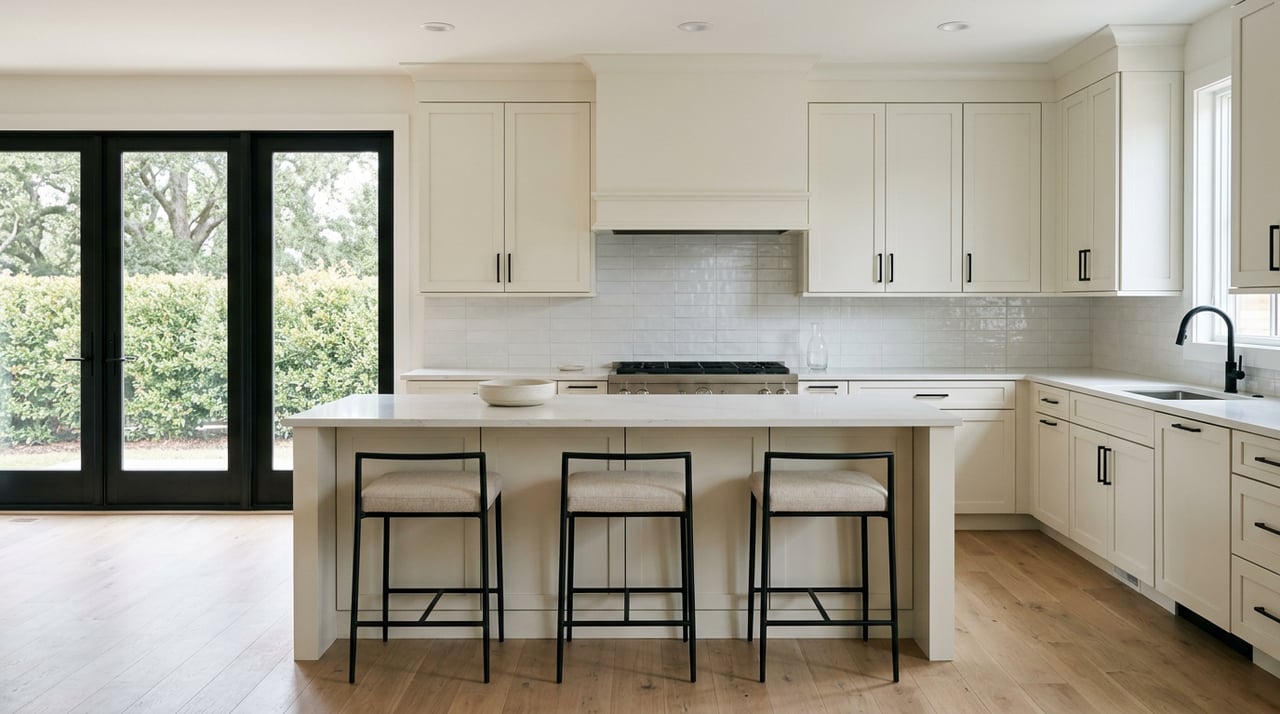
Thinking about selling your home in Plano and wondering what it takes to win in today’s market? You’re not alone. Homes are still selling, but buyers are choosier and timelines are longer than the 2021 peak. In this guide, you’ll learn how to price with confidence, prep smart, market for maximum reach, and move from “just listed” to “closed” with fewer surprises. Let’s dive in.
Plano market today: what to expect
Plano’s median sale price sits around the mid-400s, and many homes take roughly two months to find a buyer. Collin County shows similar patterns, with modest softness year over year and longer time to pending in many segments. Translation: this is not an instant multiple-offer market across all price points. You win by pricing precisely and presenting a home that feels move-in ready online and in person.
Texas is a non-disclosure state, which means final sold prices are not public. That makes an agent’s Comparative Market Analysis (CMA) built from MLS data the most reliable pricing source, not deed records or automated estimates. If you’re curious why, read this overview on non-disclosure states and why MLS comps matter most in Texas. (batchdata.io)
What this means for your price
- Use a fresh CMA based on similar homes sold in the last 30 to 90 days, with sensible adjustments for condition and upgrades.
- Price to capture the early-buyer pool. Listings that launch close to recent sold comps tend to get stronger showings in week one. Overpriced homes usually need reductions and extra days on market.
- Match strategy to your tier. Entry to mid-range homes benefit most from strong presentation, competitive pricing, and complete listing media. Higher-end homes often need bespoke staging, targeted marketing, and more time.
Fix inspection surprises before buyers find them
In Plano and Collin County, a few inspection themes show up again and again. Handling these items early builds trust and protects your price.
- Foundation and soil movement. North Texas has expansive clay soils, so hairline cracks and minor movement are common. If you see signs of settlement, get a professional opinion and documentation. (Collin County Mitigation Plan)
- Drainage and grading. Poor grading, short downspouts, and clogged gutters are frequent findings that are often inexpensive to fix. Addressing them reduces buyer concern. (InterNACHI textbook)
- Roof and storm history. DFW gets hail. If your roof is older or shows damage, consider a roof inspection and keep receipts for any repair or insurance work. (DFW Rapid Restoration overview)
- HVAC and water heating. Older or poorly maintained systems draw attention on inspections. A service visit and clean filters go a long way. (InterNACHI textbook)
- Plumbing and electrical. Minor leaks, aging supply lines, and dated panels appear regularly. Small fixes now can prevent delays later. (InterNACHI textbook)
- Termites/WDI. Many lenders and buyers expect a wood-destroying insect (WDI) inspection in Texas. Order it from a licensed provider so you can treat and document before listing. (Texas Department of Agriculture WDI guidance)
- Mold/moisture. Stains and localized growth spook buyers even when repairs are simple. Fix the cause, remediate, and keep documentation. (InterNACHI textbook)
Repair vs disclose vs credit
- Repair small items now. Paint touchups, loose outlets, squeaky doors, caulk, broken screens, and HVAC servicing are fast wins that improve showings. (InterNACHI textbook)
- Document structural or WDI issues. If movement or termites are present, get a written evaluation and share treatment options or warranties. Buyers respond better to facts than guesses. (Collin County soils context)
- Consider a pre-list inspection. Sharing results and a repair/credit plan reduces surprises and speeds negotiation. (InterNACHI textbook)
Small improvements with big payoff
You do not need a total remodel to make an impact. National Cost vs. Value benchmarks show that modest, targeted projects recoup well at resale.
- Garage door replacement. Consistently one of the highest recoup rates and a strong curb appeal upgrade. (Cost vs. Value 2025)
- Front door replacement. A new steel or fiberglass door freshens first impressions. (Cost vs. Value 2025)
- Minor kitchen refresh. Think hardware, lighting, counters, paint or refacing, and a couple of new appliances instead of a full gut. (Cost vs. Value 2025)
- Midrange bath updates. New vanity, fixtures, lighting, and grout can read “new” without a big budget. (Cost vs. Value 2025)
- Curb appeal. Exterior paint, fresh mulch, trimmed shrubs, and updated house numbers can lift both photos and showings. (Cost vs. Value 2025)
- Windows, insulation, and HVAC service. These often appear on inspections and reduce negotiation friction. (Cost vs. Value 2025)
Avoid over-improving. Upscale additions and luxury remodels often recoup less than their cost. Use nearby comps to right-size your plan. (Cost vs. Value 2025)
Staging and digital marketing that move buyers
First impressions now start online. In a recent national profile, 43 percent of buyers said their first step was to look for properties online. That means your photos, floor plan, and tour are the front door to your sale. (NAR Profile of Home Buyers and Sellers)
Staging helps buyers visualize the space and can reduce time on market. Many agents report staged homes see stronger offers, and the living room, primary bedroom, and kitchen are the top rooms to stage for impact. (NAR Home Staging Report)
Professional photos and virtual tours increase online engagement and showing requests, often for a few hundred dollars. That return can translate into faster sales and firmer pricing. (Photography ROI overview)
Your Plano listing media checklist
- Professional interior and exterior photos, with twilight exteriors if the elevation shines at dusk.
- A clear floor plan with room dimensions in MLS attachments or remarks.
- 3D tour or Matterport when budget allows, especially helpful for relocators.
- A short listing video plus 30–60 second social clips for local reach.
- A readable feature list and nearby highlights like parks, trails, shopping, and commute notes, aligned with buyer preferences for detailed property info. (NAR buyer preferences)
A 6–8 week prep timeline
Planning a smooth sale is easier with a simple, week-by-week plan.
Weeks 6–8: plan and line up pros
- Hire a local agent to prepare a current CMA and timeline. Discuss launch date and pricing.
- Complete your Texas Seller’s Disclosure Notice for previously occupied single-family homes, unless exempt. Ask questions if unsure, and answer honestly. (TREC Seller’s Disclosure)
- If your lender or recent history suggests it, order a termite/WDI inspection from a Texas-licensed provider and act on findings. (TDA WDI guidance)
- Refresh curb appeal: power wash, add mulch, trim landscaping, and replace worn house numbers or mailbox.
Weeks 4–6: repairs and light updates
- Tackle easy cosmetic fixes and maintenance: neutral interior paint, caulk, minor plumbing and electrical repairs, gutter and downspout tune-ups, HVAC service, and any window or door repairs. (InterNACHI checklist)
- Consider small, high-ROI projects that fit your neighborhood price range: garage or front door replacements, a minor kitchen refresh, or a modest bath update. (Cost vs. Value 2025)
- Consult a stager and finalize your media plan and open-house approach.
Weeks 1–3: finish strong
- Deep clean, declutter, depersonalize, and stage priority rooms: living room, primary bedroom, and kitchen. (NAR Staging Report)
- Schedule professional photos and 3D tour for listing day. Prepare a crisp description and neighborhood highlights for syndication. (NAR buyer preferences)
- Gather documents: completed TREC Seller’s Disclosure, last 12 months of utility bills if requested, receipts for repairs and upgrades, recent WDI report, and any transferable warranties.
What to have ready for buyers and appraisers
- Professional opinions or maintenance records for any foundation observations. (Collin County soils context)
- A recent termite/WDI report and proof of treatment if applicable. (TDA WDI guidance)
- Roof age, last inspection date, and any insurance claim paperwork after storm events. (DFW Rapid Restoration overview)
- HVAC service records and notes on any window or insulation improvements that support comfort and efficiency. (Cost vs. Value 2025)
Choose a partner who blends strategy and reach
You deserve a plan tailored to your home, timeline, and neighborhood. With a boutique, relationship-first approach and broad MLS and portal distribution through Monument Realty, you get both hands-on guidance and the exposure your listing needs. If you prefer English or Spanish, clear communication and local market expertise help you price confidently, prepare smartly, and negotiate with assurance.
Ready to start your Plano sale with a clear roadmap? Schedule a complimentary listing consultation with Glenda Fabregass to discuss your goals and get a data-backed plan.
FAQs
How long does it take to sell a Plano home in 2026?
- Many homes take about two months to go under contract, so plan for more showings and price discovery than during the peak years.
How should I price my Plano home today?
- Base your list price on a current MLS CMA using similar sales from the last 30–90 days and adjust for condition, upgrades, and location to capture early demand.
What inspection issues are common in Collin County?
- Foundation movement on expansive soils, drainage and grading, roof and hail wear, HVAC maintenance, minor plumbing and electrical, and termites are frequent findings. (InterNACHI)
Is staging worth it in Plano’s current market?
- Yes. Staging helps buyers visualize the space and can shorten time on market; focus on the living room, primary bedroom, and kitchen for the biggest lift. (NAR Staging Report)
Do I need a termite (WDI) inspection before listing in Texas?
- It’s often expected and may be required by lenders; ordering one early lets you handle treatment and present clean documentation to buyers. (TDA WDI guidance)
What documents does a Texas home seller need to provide?
- For most previously occupied single-family homes, complete the TREC Seller’s Disclosure Notice, and be ready with repair receipts, WDI report, roof info, and warranties. (TREC form)