If you are buying or selling land in Celina, one of the biggest mistakes you can make is assuming acreage is valued like a typical homesite. It is not. Land appraisals depend on zoning, access, utilities, and what the property can legally and realistically become. If you want to understand how an appraisal for land and acreage really works in Celina, this guide will walk you through the key factors and what they can mean for your pricing or offer strategy. Let’s dive in.
What Land Appraisals Measure
When an appraiser evaluates land or acreage, the main question is not simply, “How many acres are there?” The bigger question is the property’s highest and best use.
According to Fannie Mae’s site section appraisal guidance, that use must be legally permitted, physically possible, financially feasible, and more profitable than the alternatives. The appraiser is valuing the full parcel as it exists, not an imagined version of the land after future changes.
That matters in Celina because zoning can shape value in a major way. Under the City of Celina zoning ordinance, the SF-E estate district is intended for rural-style residential living on lots of at least 1 acre, while AG zoning is intended for ranching, crop use, and other raw-land uses with a 10-acre minimum.
If the land has already been annexed but not rezoned, it is automatically classified as AG under the ordinance. The city also notes that AG land is generally expected to be rezoned later unless it is being preserved for rural uses. That does not mean an appraiser will value it as fully ready for development today.
Why Zoning Matters In Celina
Zoning helps define what a buyer can do with a property right now. Because of that, two tracts with similar acreage can have very different appraised values.
For mortgage appraisals, Fannie Mae requires the report to identify the specific zoning class and state whether the current use is conforming, nonconforming, illegal, or unzoned. If a tract has a home or other improvements, the appraiser still has to decide whether the current use is the best use of the site as improved.
In simple terms, a house on acreage is not automatically appraised as if the land were ready to be split into lots or converted to another use. The current legal and physical reality still drives the analysis.
How Comparable Land Sales Are Chosen
For land and acreage, the sales comparison approach is usually the main method. That means the appraiser studies similar land sales and adjusts them to match the subject property.
The Appraisal Institute’s guidance explains that the best land valuation method relies on verified comparable vacant-land sales. Those sales should be reduced to the market’s proper unit of comparison and supported with details like location, land area, dimensions, zoning, financing, and use at the time of sale.
The best comps are usually the ones most similar in:
- Location
- Size
- Zoning
- Access
- Utility availability
- Physical characteristics
- Buyer appeal for the same use
Fannie Mae’s comparable sales guidance says comps should have similar physical and legal characteristics. If there are not enough truly similar sales in a rural or thinly traded market, the appraiser may expand the search area or use older sales, as long as the report clearly explains why.
What Appraisers Adjust For On Acreage
Not all acres are equal. Even in the same general part of Celina, one tract may have more utility or fewer obstacles than another.
The Appraisal Institute notes that common adjustment categories for land include location, property rights conveyed, financing terms, conditions of sale, market conditions, physical characteristics, and economic characteristics. For acreage, practical differences often include:
- Road frontage
- Ease of access
- Topography
- Drainage
- Soil and subsoil
- Utilities
- Flood zone status
- Easements
- Encroachments
- Nearby nuisances or hazards
This is one reason raw land, small acreage homesites, and larger rural tracts can behave like different markets even when they are near each other. Buyers are often paying for very different levels of readiness and flexibility.
Celina Factors That Can Change Value
Celina’s local rules and growth pattern can influence an appraisal more than many buyers and sellers expect. Location is not just about proximity. It is also about entitlement status, utility access, and development timing.
The city explains on its annexation and ETJ page that its subdivision ordinance applies in the ETJ, but its zoning ordinance does not. The city also states that building permits are required for property platted through the ETJ.
Another key issue is infrastructure. Celina’s zoning ordinance says no building or structure may be constructed in the ETJ unless sufficient water pressure is available for fire suppression. That means land outside city limits or in less improved areas may face practical limits even if long-term growth looks promising.
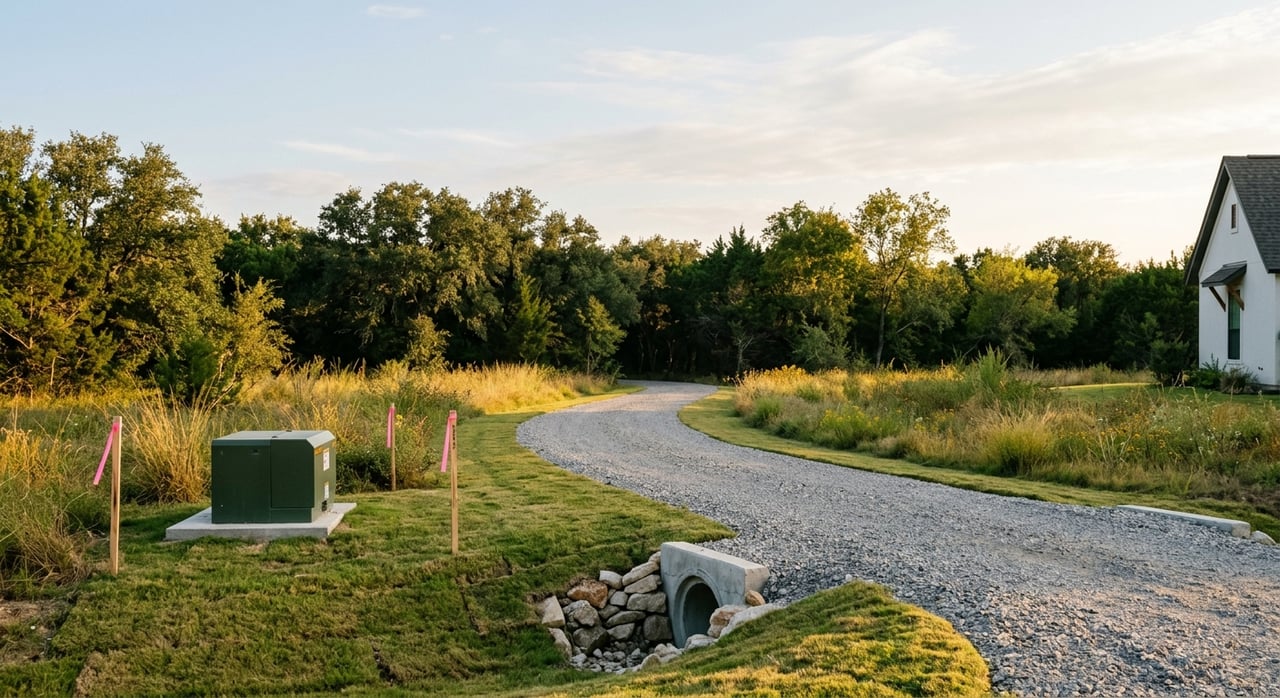
Appraisers also consider the present or anticipated use of surrounding properties. Fannie Mae’s site guidance says the appraiser should address utilities, street improvements, vehicular access, flood zones, easements, encroachments, and any market resistance tied to site conditions.
If public water or sewer is not available, the appraisal still has to consider whether private or community well-and-septic access is legally and practically usable. Celina states that it provides water and wastewater service and purchases treated water from the Upper Trinity Regional Water District, but service availability can still vary by location and stage of development.
Future Development Potential And Present Value
Celina is growing quickly, and that often leads people to assume future development automatically raises current appraised value. Sometimes it can help, but only when the market supports that expectation.
Celina’s strategic plan notes that the city has 78 square miles of developable land and is growing rapidly. At the same time, planning materials for the Northeast Sector indicate utilities are limited there and development is not expected to be efficient over the next 5 to 10 years.
That gap is important. A property may have future potential, but an appraiser still has to judge value based on what is legally permitted and realistically supported by infrastructure, market demand, and timing today.
So yes, future development can matter. But future hopes alone do not usually carry the same weight as current zoning, current access, and current utility availability.
Financing Can Affect Appraised Value
Financing matters because buyers do not all shop with the same options. If financing is more limited for a type of property, that can affect the buyer pool and influence market behavior.
Fannie Mae states that it does not purchase or securitize loans secured by agricultural-type properties, undeveloped land, or land-development-type properties. It also gives special attention to sites that are larger than what is typical for the neighborhood.
For buyers and sellers in Celina, that means pricing should stay grounded in the current market. A tract without sewer, water, strong road access, or zoning support for the intended use may not command the same price as nearby finished lots or subdivision-ready land.
What Buyers Should Watch For
If you are buying land or acreage in Celina, appraisal issues can affect both financing and negotiation. It helps to look beyond the listing description and ask practical questions early.
Focus on things like:
- Current zoning classification
- Whether the current use conforms to zoning
- Availability of water and wastewater service
- Road access and frontage
- Flood zone concerns
- Easements or encroachments
- Whether the tract is in the city, annexed, or in the ETJ
- Whether the land truly competes with the sales being used to support price
A property can look attractive on paper and still face valuation challenges if those details are unclear or unfavorable.
What Sellers Should Know Before Pricing
If you are selling acreage in Celina, overpricing based on nearby new development can create problems. Appraisers generally need comparable land sales, not wishful comparisons to finished residential communities, unless the property truly competes in that same market.
That is why a smart pricing strategy should be based on:
- Current zoning
- Current utility access
- Current access and frontage
- Similar land sales
- Realistic highest and best use today
If the market is thin, older or wider-area land sales may be used, but the appraiser still has to explain those choices and support the adjustments. A well-informed pricing plan can help you avoid surprises once the contract reaches the appraisal stage.
If you want practical guidance on buying or selling acreage in Celina, Glenda Fabregass can help you evaluate the property through the lens of today’s market, local conditions, and realistic next steps.
FAQs
How do appraisals for land in Celina differ from home appraisals?
- Land appraisals focus heavily on highest and best use, zoning, access, utilities, and comparable land sales rather than just home features and interior condition.
Does more acreage automatically increase appraised value in Celina?
- No. According to appraisal guidance, value depends on factors like legal use, access, utilities, entitlements, and comparable sales, not just the number of acres.
Can raw land in Celina be compared to subdivision lots?
- Only if the tract truly competes with those lots in the same market and the appraiser can support the differences with clear adjustments.
Does future development potential affect a Celina land appraisal?
- Yes, but only when that future use is supported by market evidence, infrastructure, and zoning conditions rather than speculation alone.
Why does ETJ status matter for acreage in Celina?
- ETJ status matters because Celina’s subdivision ordinance applies there, zoning works differently, and practical building requirements like sufficient water pressure for fire suppression can affect usability and value.