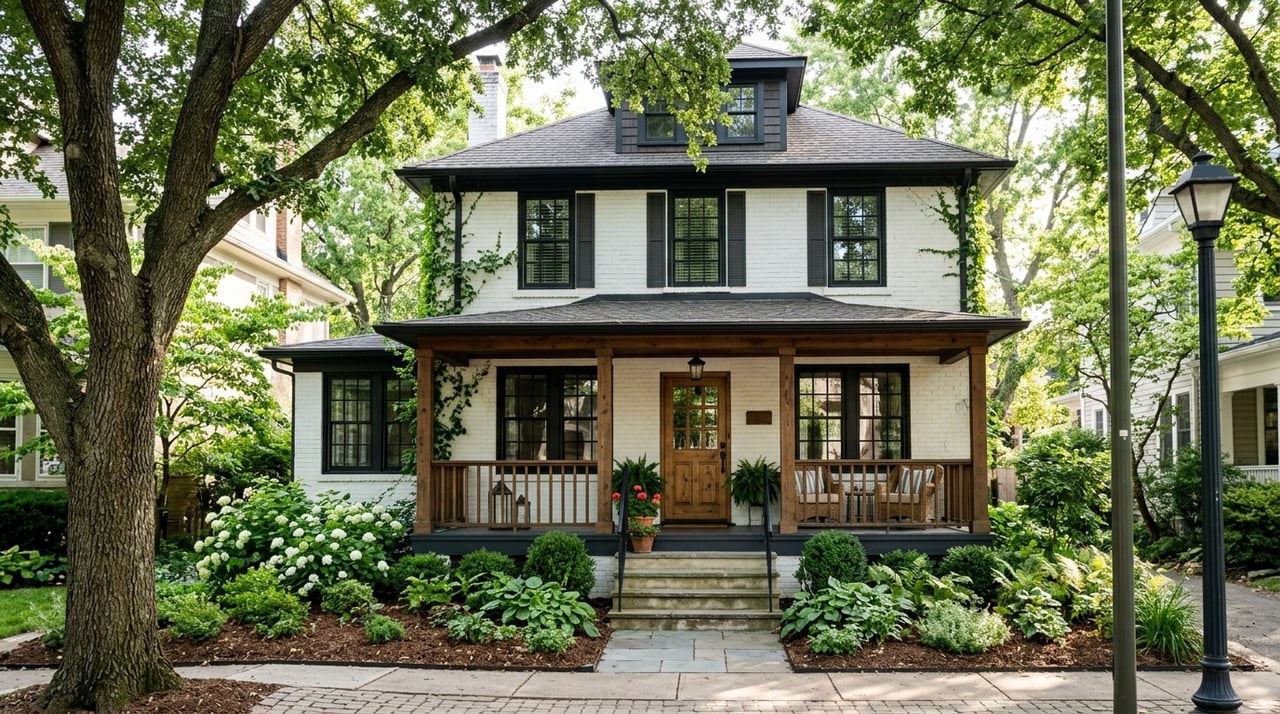
Wondering whether McKinney’s older neighborhoods or newer communities fit your life better? It is a smart question, especially in a city that gives you a real mix of historic character, walkable pockets, and amenity-rich new construction. If you are trying to balance charm, convenience, maintenance, and commute, this guide will help you compare your options with more confidence. Let’s dive in.
Why McKinney Gives You Both
McKinney sits about 30 miles north of downtown Dallas along U.S. 75, and it offers a blend that many buyers find appealing. The city describes itself as a place with tree-lined roadways, distinct residential neighborhoods, and a vibrant historic downtown.
At the same time, McKinney also has almost 3,000 acres of parks and open space plus 80 miles of hike-and-bike trails. That means your decision is not just about the age of the home. It is about the kind of daily routine you want.
What Historic McKinney Feels Like
Character and architecture
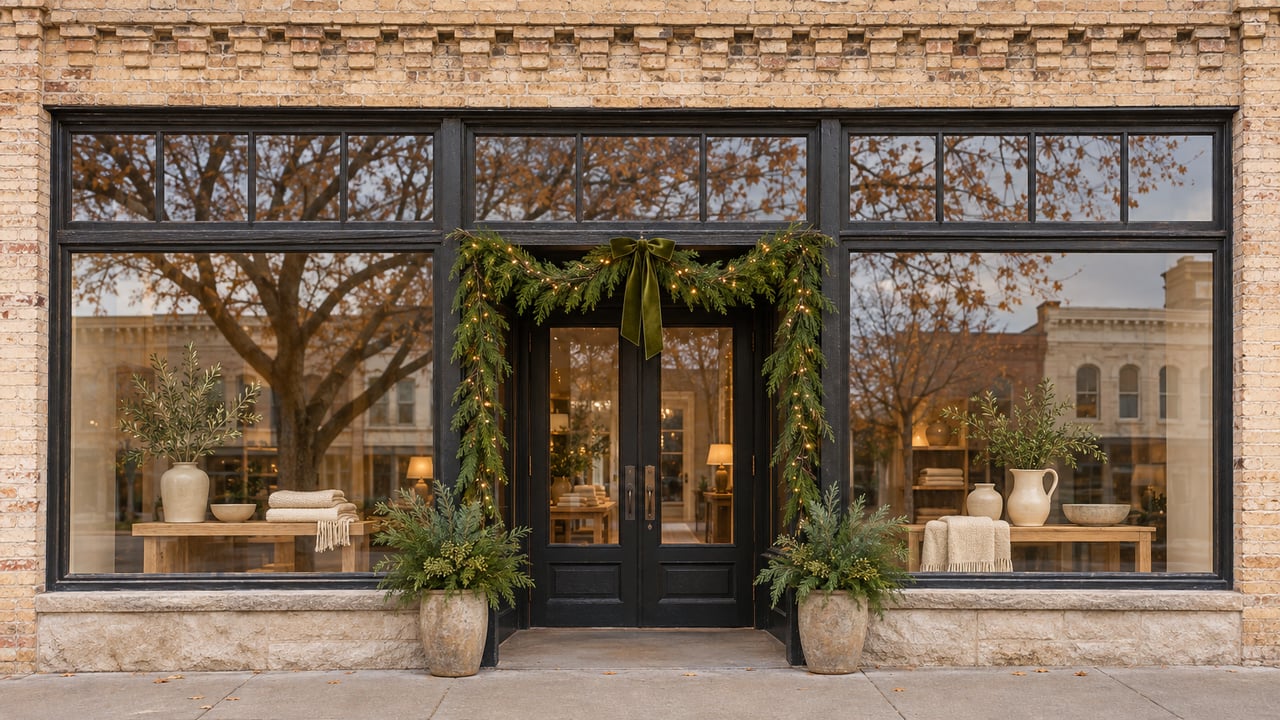
If you are drawn to homes with personality, older parts of McKinney may stand out right away. The city’s historic preservation office highlights McKinney’s history and eclectic architecture as part of the city’s identity, and Downtown McKinney is described as one of the oldest thriving historic downtowns in Texas.
That sense of place matters to many buyers. You may find mature trees, varied home styles, and streets that feel less uniform than newer subdivisions. For some people, that is the whole appeal.
Downtown access and walkability
One of the biggest benefits of historic areas is proximity to Downtown McKinney. The city’s Town Center zoning is intentionally pedestrian-oriented, compact, and walkable, with support for sidewalk cafés, sidewalk patios, and parklets in the downtown core.
If you like the idea of being near dining, shopping, local events, and arts activity, older central neighborhoods make a strong case. Your lifestyle may feel more connected to the city’s established core than to a newer suburban development.
Preservation and upkeep expectations
Historic charm often comes with added responsibility. McKinney’s preservation incentives encourage owners to maintain original windows, siding, and doors, which tells you something important about the expectations in older areas.
That does not mean every older home will require major work. It does mean you should be prepared for more maintenance questions, more repair planning, and in some cases a stronger focus on preserving original character.
Change in East McKinney
Parts of East McKinney are also in transition. The city is actively upgrading streets, utilities, pedestrian access, and lighting in some of these older-core areas.
For you, that can cut both ways. You may see long-term improvement potential, but you should also expect that some blocks may feel more actively evolving than polished and finished today.
What Newer McKinney Communities Offer
Planned amenities and trails
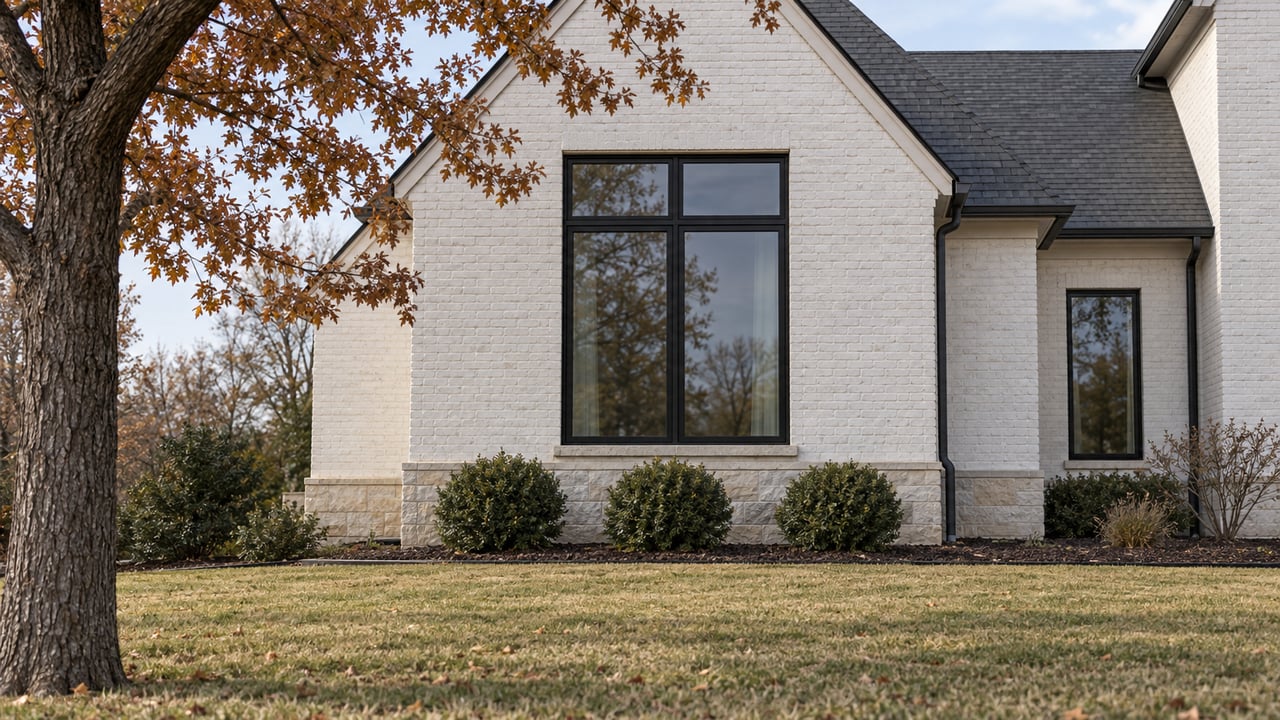
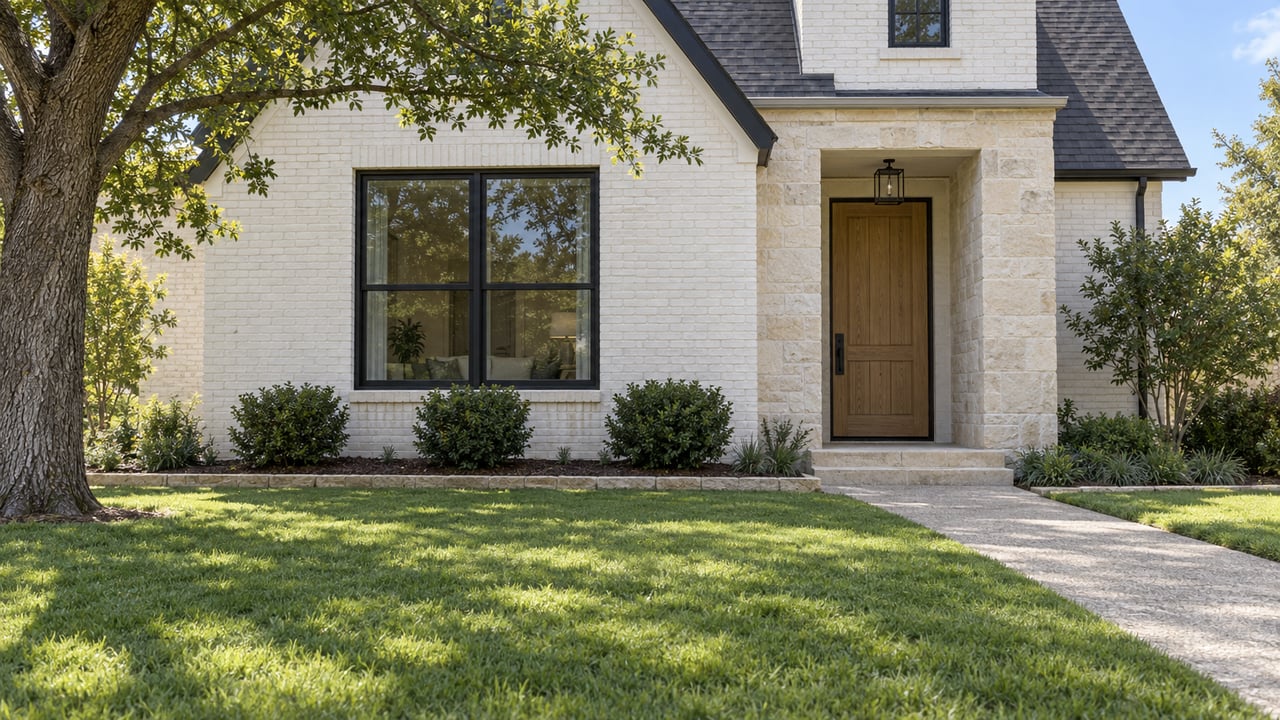
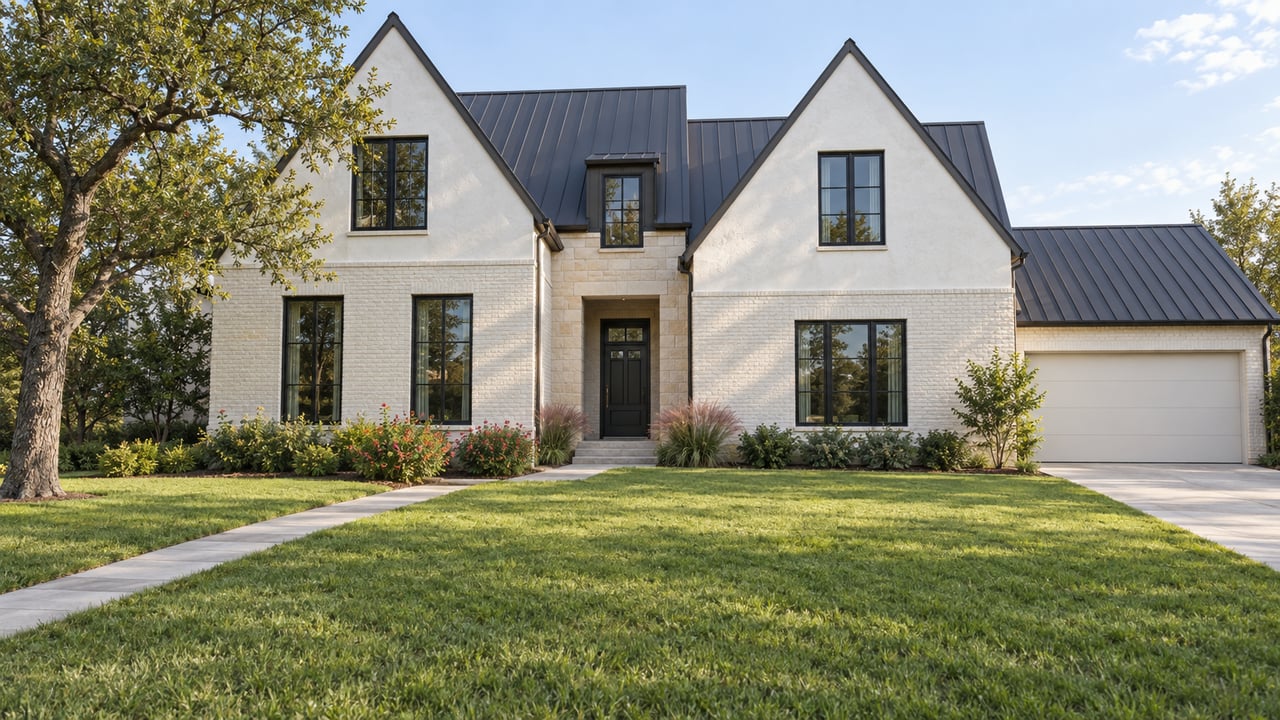
Newer communities in McKinney often center around amenities and shared outdoor spaces. Painted Tree, for example, is about 3 miles north of Downtown McKinney and includes 25 miles of trails, a 20-acre lake, and three community hubs.
Trinity Falls is another example, spanning 2,000 acres with a 350-acre natural park, pools, splash pads, a dog park, and coworking space. These features can make daily life feel more programmed and recreation-focused.
Newer systems and features
Many buyers look at new construction for peace of mind. Painted Tree markets homes with energy-efficient features, while newer communities generally appeal to buyers who want less uncertainty around major systems and a more current layout.
That can be a big advantage if you want a move-in-ready feel. Instead of wondering when an older roof, window, or plumbing issue might show up, you may prefer the predictability that often comes with a newer home.
Shared costs and HOA structure
The tradeoff is that newer neighborhoods often shift some of your ownership costs into dues, assessments, and community rules. Aster Park shows that clearly, with a listed $1,400 annual HOA and a $250 annual street assessment for private street maintenance.
This setup works well for some buyers and feels limiting to others. If you value organized amenities and neighborhood standards, it may be a plus. If you want fewer rules and fewer recurring fees, it may feel like a drawback.
Comparing Lifestyle, Not Just List Price
A lot of buyers make the mistake of comparing only the sale price. In McKinney, the better question is often how each neighborhood type affects your total lifestyle cost.
Historic areas may offer character, central location, and a more walkable routine. Newer communities may offer amenity access, newer systems, and more formal neighborhood management. The right answer depends on which costs and conveniences matter most to you.
Think About Your Daily Routine
If you want more walkability
Downtown-adjacent living can be appealing if you enjoy being near restaurants, shops, events, and public gathering spaces. McKinney’s downtown core is where the city makes its strongest case for a pedestrian-friendly lifestyle.
If your ideal weekend includes strolling to coffee, browsing local shops, or enjoying the Cultural District, an older neighborhood may support that vision better. You are buying into a setting, not just a floor plan.
If you want amenity-centered living
If your routine revolves around trails, pools, green space, and planned recreation, a master-planned community may fit better. Communities like Painted Tree, Trinity Falls, and Aster Park are designed around those shared features.
That can be especially helpful if you want easy access to outdoor amenities without leaving the neighborhood. It creates a different kind of convenience than downtown access.
Commute and Transportation Matter
McKinney is still largely car-first, and that should factor into your decision. While Downtown McKinney supports a more walkable mixed-use experience, many newer communities are positioned around access to Highway 75 and U.S. 380 for regional driving.
Transit is limited. Collin County Transit offers a subsidized on-demand ride service only for eligible adults, so most households still need to plan around driving for work, errands, and daily activities.
If you rely on transit, verify your needs carefully before choosing a neighborhood. If you drive most places anyway, the question becomes whether you prefer downtown proximity or highway convenience.
Questions to Ask Before You Choose
Before you decide between historic charm and new construction, it helps to ask a few practical questions:
- Do you want walkability or neighborhood amenities more?
- Are you comfortable with possible maintenance on an older home?
- Would you rather pay for repairs as they come up or budget for HOA dues and assessments?
- Do you prefer unique architecture or a more consistent neighborhood look?
- Is your daily routine centered around downtown access or regional commuting?
- Do you want a home in an established area or a community that feels newer and more planned?
These answers can quickly point you in the right direction. Often, your lifestyle priorities make the decision clearer than the home search itself.
A Smart Way to Narrow Your Search
If you are relocating, buying your first home, or moving within North Texas, seeing both options in person can make all the difference. A charming older street near downtown and a polished new master-planned community offer very different experiences, even when the price range is similar.
That is why neighborhood guidance matters. When you compare home style, upkeep, commute, and monthly carrying costs together, you can choose a McKinney neighborhood that fits how you actually live.
Whether you are looking for character near Downtown McKinney or a newer community with trails and amenities, working with a local advisor can help you sort through the tradeoffs with less stress. If you want personalized guidance as you explore McKinney, connect with Glenda Fabregass for thoughtful, bilingual support every step of the way.
FAQs
Is Downtown McKinney more walkable than newer neighborhoods?
- Yes. The city’s Town Center zoning is designed to be pedestrian-oriented, compact, and walkable, which makes downtown-adjacent areas the strongest option for buyers who want easier access to shops, dining, and events.
Do older McKinney homes usually need more maintenance?
- Often, yes. Older homes in historic areas may come with more upkeep and stronger expectations around preserving original features such as windows, siding, and doors.
Do new build communities in McKinney usually have HOA costs?
- Many do. Newer communities often include HOA dues, assessments, and neighborhood rules in exchange for shared amenities, maintenance structure, and community standards.
Are new neighborhoods in McKinney closer to major roads?
- Many are planned with regional driving in mind. Communities such as Painted Tree and Trinity Falls highlight access to Highway 75 and U.S. 380.
Is public transit a major factor in McKinney neighborhood choice?
- It can be, but most households still plan around driving. Collin County Transit offers an eligibility-based on-demand service, so transit is limited compared with a broad fixed-route system.
How do I choose between historic charm and a new build in McKinney?
- Start with your lifestyle. If you value character, downtown access, and walkability, older neighborhoods may fit better. If you value newer systems, trails, pools, and structured amenities, a newer community may be the stronger match.