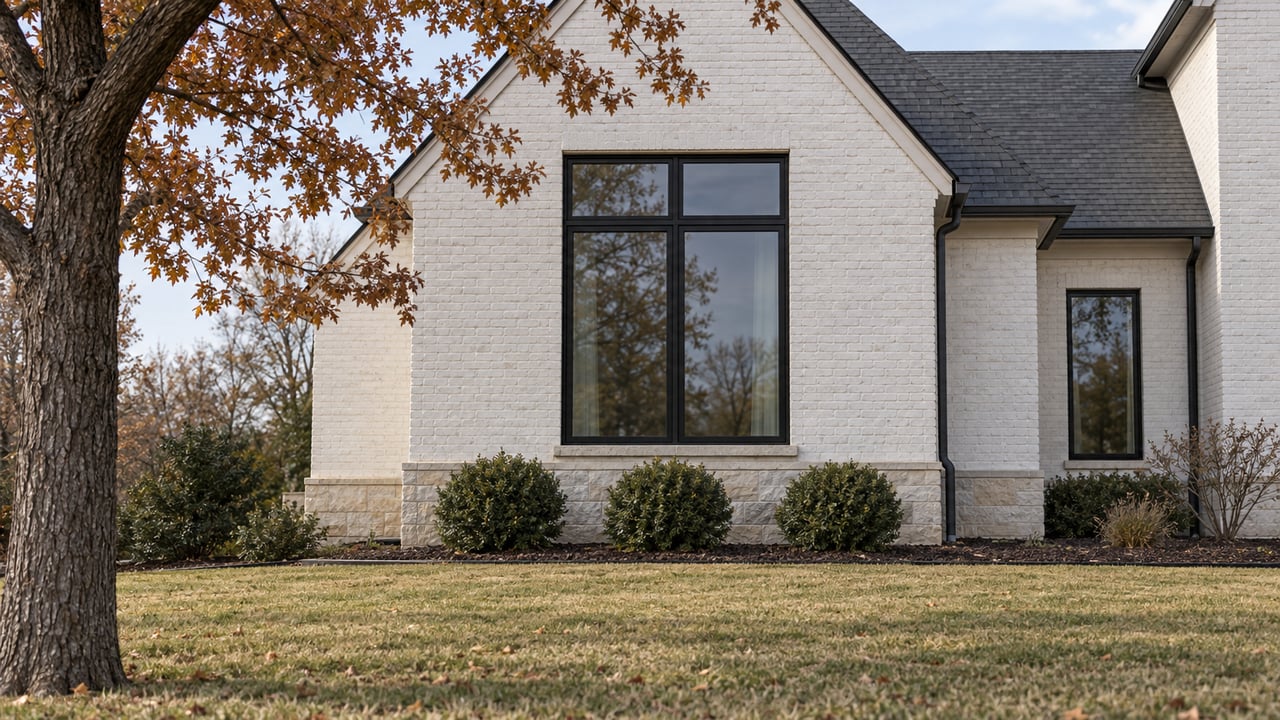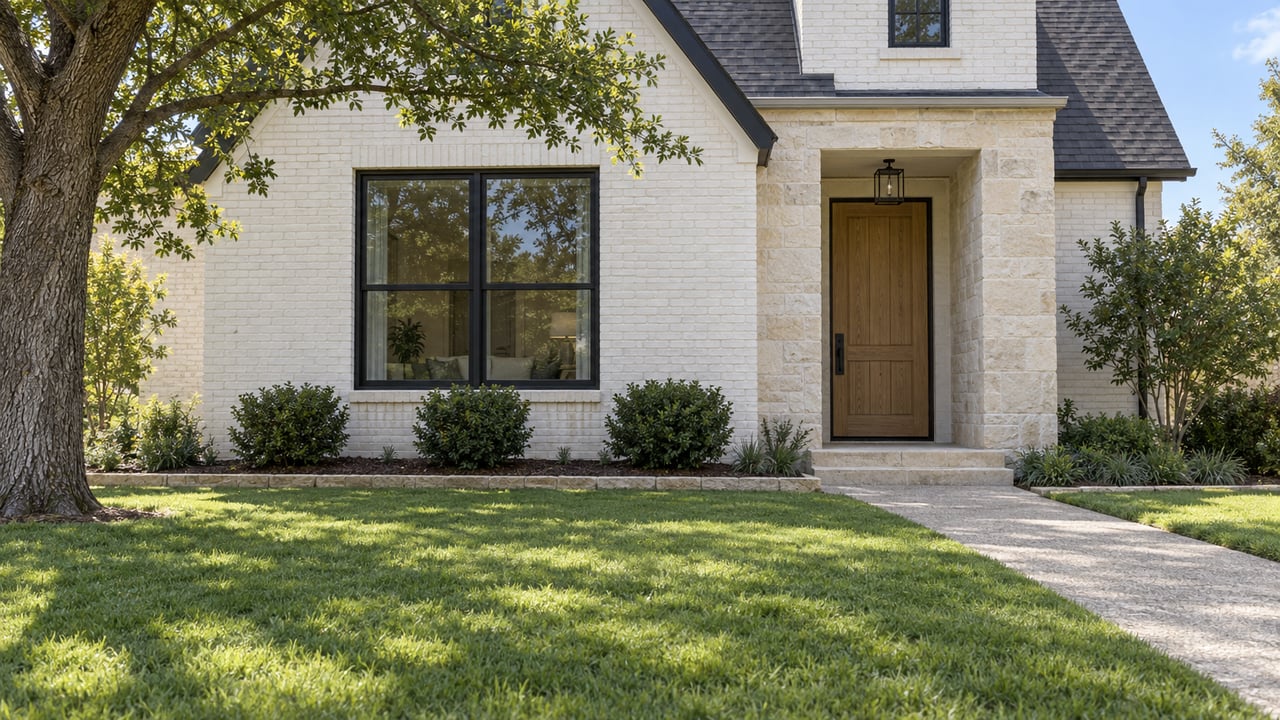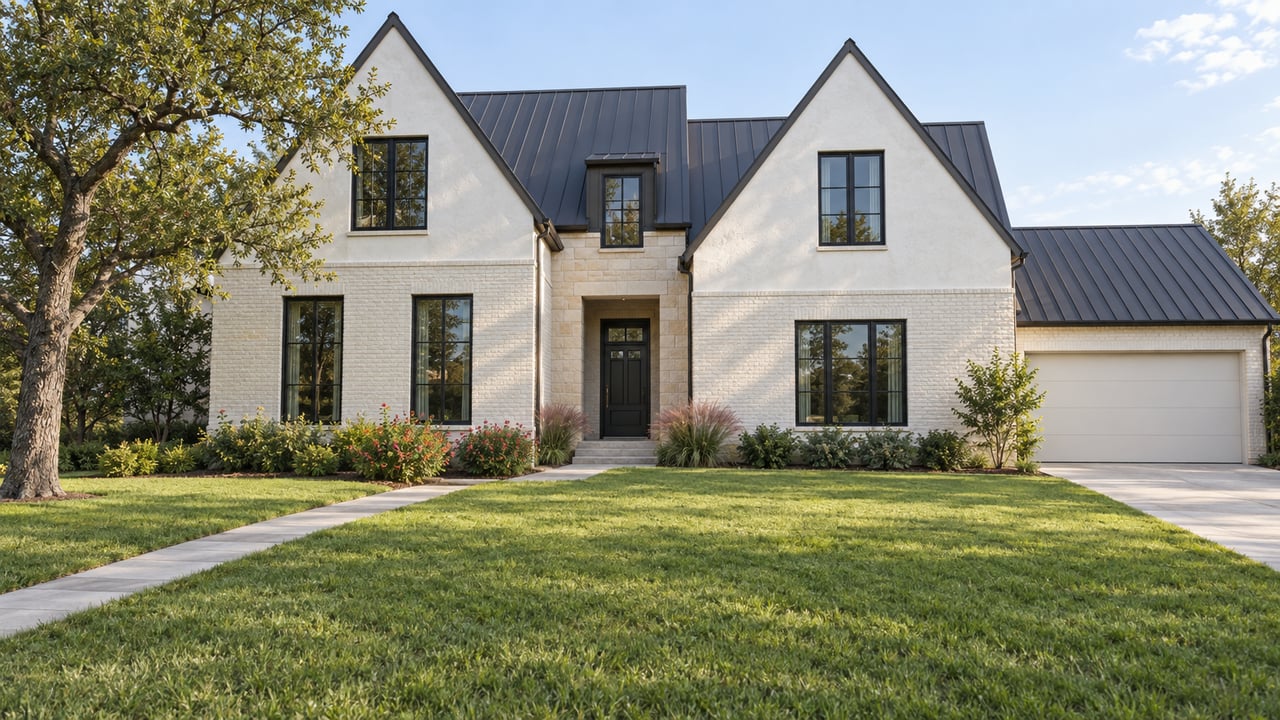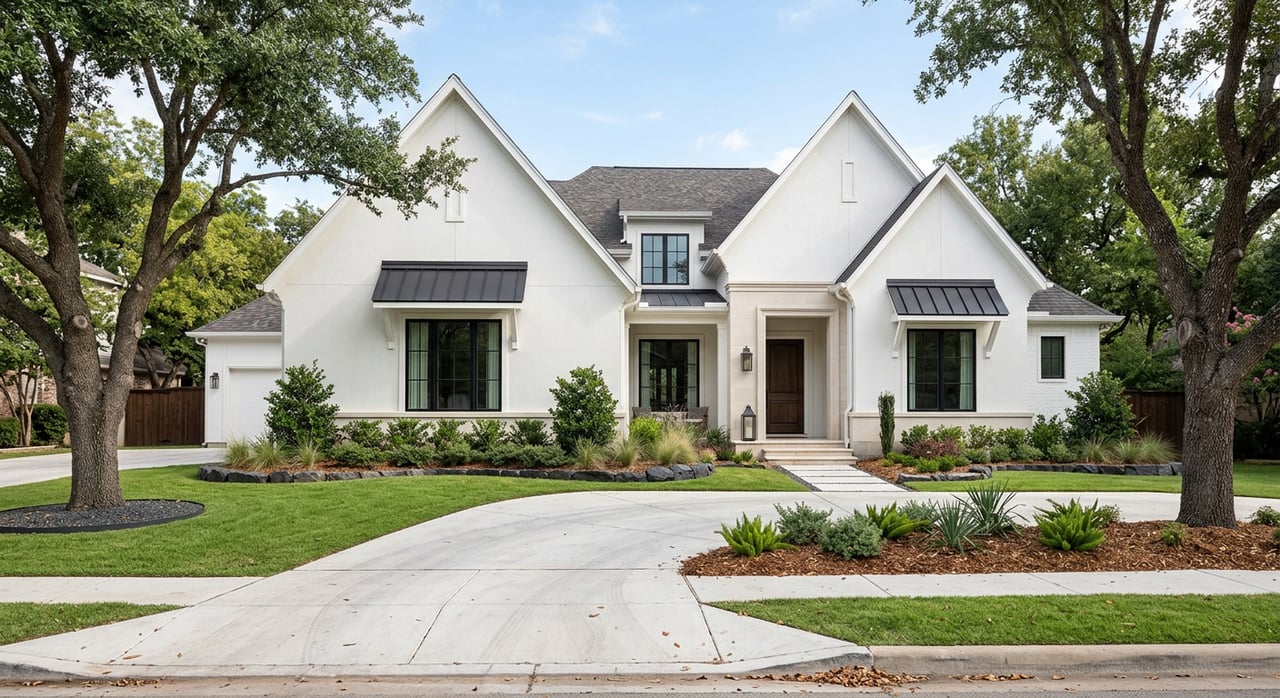
Thinking about building a new home in Celina but not sure how long it will take, what it will really cost, or how to compare communities? You’re not alone. New construction can be a smart path to modern design and energy savings, yet it comes with different contracts, timelines, and tradeoffs than buying resale. In this guide, you’ll learn what to expect from contract to closing, how to budget for lot premiums and upgrades, which inspections to schedule, and how to weigh community features. Let’s dive in.
Celina new construction snapshot for 2026
Home values in the Celina area sit in the mid to high price band, though numbers vary by data source. As of January 2026, Zillow’s Home Value Index for Celina is about $550,000. Redfin reports a median sale price near $478,000 for January 2026, while Realtor.com’s listing-based median for December 2025 is roughly $575,000. Different methods drive those gaps, so use them as directional guides with dates attached.
Celina’s rapid growth is shaping new neighborhoods and amenities across the area. Recent coverage points to Celina as one of the fastest-growing cities in the country, which helps explain the steady pipeline of master-planned communities and builder activity in and around town. That momentum also ties to planned infrastructure. The Dallas North Tollway is being extended north of US 380 toward FM 428, with construction underway and a projected opening to traffic around late 2027, weather permitting. Improved access tends to bring more retail, medical services, and housing options, which can influence both timelines and pricing.
How a new-build purchase works in Celina
Contracts you will see in Texas
Most Texas new construction purchases use Texas Real Estate Commission forms tailored to new homes. The TREC New Home Contract (Incomplete Construction) outlines key terms for homes that are still being built, including warranty references and required disclosures. Because many Celina neighborhoods include special taxing or assessment districts, you should also expect a Notice to Purchaser of Special Taxing or Assessment District as part of your file. These disclosures help you understand any Municipal Utility District (MUD) or Public Improvement District (PID) obligations tied to the lot.
Builders sometimes present their own addenda with design selections, change-order rules, and schedules for when you must finalize options. In addition, TREC offers an appraisal-related addendum that your agent may recommend if appraisal outcomes could affect the deal. Have your buyer’s agent review the full packet with you and consider legal counsel if you want a deeper review before you sign.
Builder sales reps vs your representation
The person in the model home represents the builder. Your own buyer’s agent advocates for you on pricing, timelines, contract terms, inspections, and comparisons across communities. Many builders require you to register your agent on your first visit to ensure representation is recognized, so plan to bring your agent or have them call ahead before you tour models.
Earnest money, selections, and deadlines
Expect to pay earnest money at contract and, in many cases, additional deposits when you make design center selections. Selection windows can be short, and late changes often carry fees or push timelines. Option periods and inspection rights differ for new homes that are still under construction versus completed homes, so read the specific deadlines and fees in your contract packet. Ask for a written milestone schedule and get any promised adjustments in writing.
Appraisals and financing contingencies
New phases sometimes lack recent comparable sales, which can raise appraisal risk. If the appraisal comes in low, you and the builder may negotiate solutions such as price adjustments, closing-cost credits, or lender rate buydowns using builder incentives. Your agent can help you structure the right appraisal and financing protections using the appropriate TREC forms and addenda.
Timeline and inspections
Typical build duration
Production and spec homes often complete in about 6 to 10 months from permit to finish. More customized builds can take 10 to 18 months depending on weather, permitting, and the complexity of your plan. Always ask the builder for a written milestone calendar with target dates and update intervals so you know what to expect.
Key milestones to watch
- Lot reservation and contract execution
- Plan, foundation, and permit stage, often 2 to 6 weeks for site prep and foundation
- Framing, typically 2 to 8 weeks until the home is weather-tight
- Mechanical rough-in for electric, plumbing, and HVAC
- Pre-drywall inspection before insulation
- Finish stage, including drywall, paint, flooring, cabinets, counters, and trim
- Final walk-through, punch list, certificate of occupancy, and closing
These stages can overlap. In Celina, weather, trades availability, permitting backlogs, and last-minute design changes are the most common causes of delays.
Independent inspections to schedule
City inspectors check code compliance, but they do not replace a buyer-hired inspector who works solely for you. For new construction, plan on independent phase inspections such as pre-pour, pre-drywall, and a near-final review. These checks help you catch issues before they are covered up and can provide valuable documentation for warranty claims later. Schedule early and coordinate with the builder’s construction manager so inspections happen at the right time.
Walk-through and warranty basics
During the final builder walk-through, you will create a punch list of items to be corrected. Document everything and get repair timelines in writing. Many builders use a 1-2-10 style warranty structure, where workmanship and systems are covered for shorter terms and major structural elements for longer. Ask for the full warranty document and claim procedures now so you know exact coverage windows.
Costs, financing, and upgrade tradeoffs
Price components to budget
Total price is more than the base plan. Your final number usually includes:
- Base price for the floor plan
- Lot premium, which can range from a few thousand to tens of thousands based on size, location, or views
- Design center upgrades and structural options
- Taxes, HOA dues, and any MUD or PID assessments tied to the parcel
- Closing costs and prepaid items
Lot premiums and option pricing should be confirmed in writing. If a lot backs to open space or sits on a cul-de-sac, expect a higher premium. If the neighborhood has a special taxing district, review the required notice and ask for the current tax rate and bond schedule before you proceed.
Upgrades that tend to matter
Structural choices like an expanded patio, a three-car garage, or prewired media room are hard to add after closing, so weigh those early. Cosmetic upgrades can often be done later, but you may want to price builder-installed flooring, counters, or cabinetry if they would disrupt your life later. The safe approach is to get itemized quotes from the design center and a firm written allowance for any to-be-determined items.
Financing your build
Builders often offer incentives if you use their preferred lender. These can include closing-cost credits, design-center allowances, or temporary rate buydowns. Compare the total cost, not just the upfront credit. Ask competing lenders to show you the long-term cost of any buydown and the permanent rate after the buydown ends.
If you are building from scratch, talk with lenders about construction-to-permanent loans versus construction-only loans. Construction-to-permanent products combine the build and the mortgage into one closing, which may lock your permanent rate earlier, while construction-only loans involve two closings. Ask how draws work, whether interest-only payments are required during construction, and what conditions apply when your loan converts to the permanent phase. Clear answers up front help you avoid surprises later.
Taxes and special assessments
Collin County property taxes include county, city, school district, and any special districts like MUDs or PIDs that apply to the lot. MUDs typically use ad valorem taxes to repay bonds that fund water, sewer, and drainage infrastructure, which can raise your effective tax rate until the bonds are retired. Before you sign, identify every taxing entity for your specific parcel and estimate a total prospective tax bill based on today’s rates and assessments.
Comparing master-planned communities
Celina’s housing mix is anchored by large master-planned communities, each with its own builder lineup, lot sizes, amenities, and school assignments. These differences affect both lifestyle and resale. Here’s what to compare as you narrow your list:
- Builder roster and reputation. More builders often means more plans and price points. For example, Light Farms features multiple regional and national builders. Ask your agent for recent buyer reviews and on-time delivery history.
- Amenities and their status. Check what is open today versus planned for future phases. Communities in and near Celina frequently highlight pools, sports courts, trails, and event spaces. Amenity completion can affect both your lifestyle and short-term resale comparisons.
- School assignment. Verify the exact attendance zones for the lot you want using district maps. Do not assume based on marketing maps or nearby boundaries.
- HOA rules, dues, and design standards. Ask what dues cover, how often they adjust, and whether there are design restrictions that affect future changes like pools or sheds.
- Lot types and premiums. Compare 40-, 50-, 60-, and larger-lot products, plus any premium greenbelt or water-adjacent sites. Bigger or better-located lots usually carry higher premiums and can influence future plans like adding a pool.
Use community pages and on-site tours to confirm details. For example, Light Farms publishes community and builder information you can review with your agent. Mustang Lakes markets a resort-style amenity approach with facilities designed for year-round enjoyment. Nearby regional master plans provide useful comparisons too as you consider lot sizes and amenity depth.
Eight smart questions to ask in the model home
- Which TREC forms and addenda will be used for this purchase, and can I review samples now?
- What is the lot premium for this exact homesite, and what makes it premium?
- What is your written construction milestone schedule, and how do you communicate updates and delays?
- What design selections must be finalized by which dates, and what happens if I need to change something later?
- Which inspections will you allow and when should I schedule them?
- What warranty coverage do you provide, who administers it, and what are the claim timelines?
- Is this lot in a MUD or PID, and can you provide the current tax rate and bond schedule?
- What buyer incentives are available if I use your preferred lender, and how do they compare to an outside lender’s total cost?
What to verify early
- Confirm the lot premium and what it buys, including the exact lot ID and recorded plat.
- Get the builder’s written milestone schedule with target dates and remedies for delays.
- Ask for itemized pricing for each design center upgrade and a written allowance with deadlines.
- Confirm school attendance zones for the specific lot using the district’s maps.
- Request the full builder warranty document and claim procedures, noting all deadlines.
- Ask whether the parcel sits in a MUD or PID. Get the district’s current rate and bond payoff schedule and review the statutory notice.
- Decide early if you will use the builder’s lender. Compare the net cost, including any rate buydown terms and the final permanent rate.
- Plan and budget for independent phase inspections at pre-pour, pre-drywall, and near-final.
- Confirm who is providing title and the expected closing timeline. Spec homes generally close sooner.
Bottom line
Buying new construction in Celina can deliver modern plans, energy efficiency, and warranty protection. The win comes from going in with eyes open on lot premiums, upgrade allowances, MUD or PID taxes when present, and the calendar risk that comes with construction. Your best results typically come when you vet the builder and warranty in writing, use a buyer’s agent experienced with new builds, schedule independent phase inspections, and compare the net financial value of any builder incentives to outside loan offers.
Ready to map out a smooth plan for your Celina build? Connect with Glenda Fabregass for local guidance, builder comparisons, and contract-to-closing support.
FAQs
What is the current price range for homes in Celina?
- As of early 2026, sources report mid to high price bands in Celina: Zillow’s HVI is about $550,000 (Jan 2026), Redfin’s median sale is near $478,000 (Jan 2026), and Realtor.com’s listing median is roughly $575,000 (Dec 2025). New-build pricing varies by community, lot, and upgrades.
How long does it take to build a home in Celina?
- Production and spec homes typically run about 6 to 10 months from permit to completion, while more customized builds can take 10 to 18 months, depending on weather, plan complexity, and permitting.
Do I need inspections on a brand-new home?
- Yes. Schedule independent phase inspections such as pre-pour, pre-drywall, and a near-final review to document hidden work and protect your warranty rights.
What are MUDs and PIDs, and how do they impact my payment?
- MUDs and PIDs are special districts that fund infrastructure and are repaid through assessments or taxes, which can increase your annual carrying cost until bonds are retired; review the statutory notice and current rates before signing.
Are builder lender incentives worth it?
- Sometimes. Compare the total cost, not just the credit, including any temporary buydown period and the permanent rate, and obtain competing quotes from outside lenders for a true apples-to-apples view.
How will the Dallas North Tollway extension affect Celina buyers?
- The planned extension north of US 380 toward FM 428 is projected to open around late 2027, improving access and supporting continued retail, medical, and residential growth, which can influence demand and community buildout.